The success of any park isn’t measured by its opening day. Ten, five, or 20 years after the opening is a better time to test the park. Is the restroom still straightforward to maintain? Does the material have a long-lasting withstand use by the public and weather? Does the structure fit naturally in the park? What is the most important thing to consider is how the original idea was implemented into a structure which is functional?
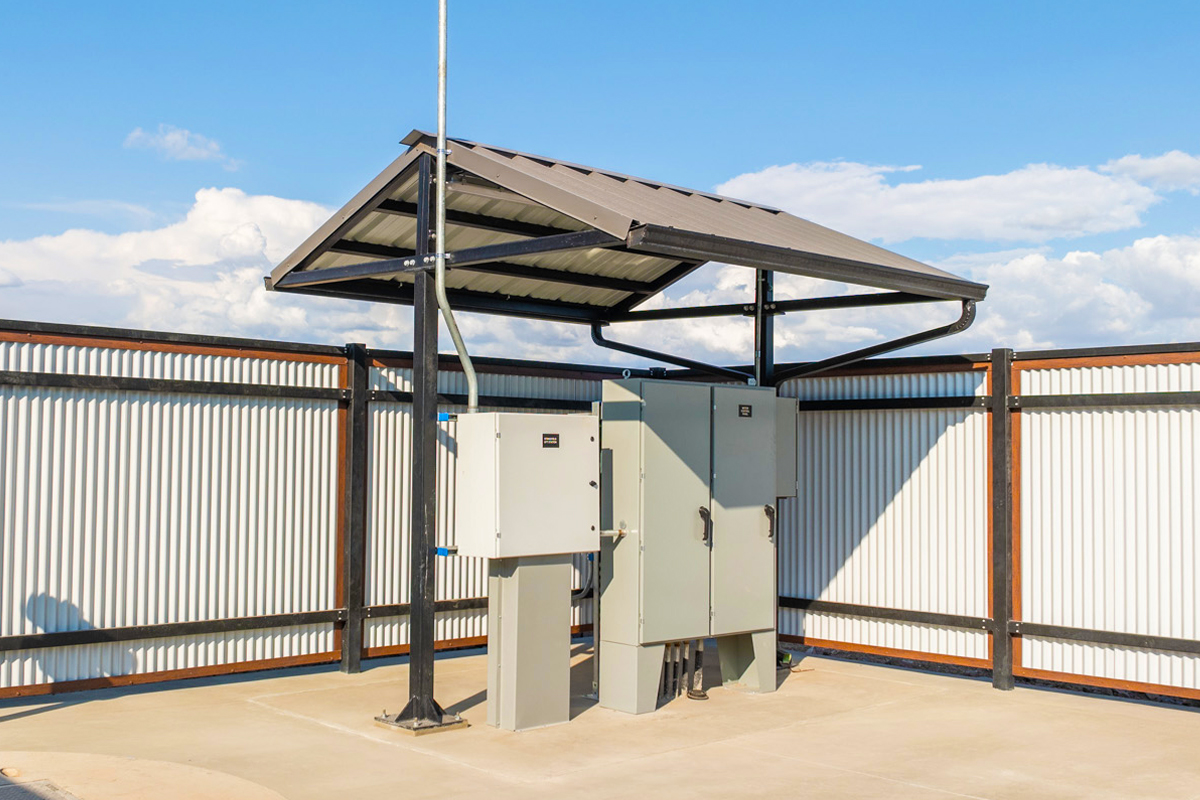
Image credit: romtec.com
Those questions illustrate why selecting the best park building designer involves more than comparing attractive renderings. Public architecture has to withstand permits, bidding and construction. It also has to be maintained through years of service.
The Design Decisions that you make have operational implications.
Take a look at something as basic as an exterior finish. It affects the appearance and also affect maintenance costs, repair costs and weather resistance. The design of the roof can enhance the look of a park. It can also impacting maintenance and drainage. Interior layouts can affect accessibility and cleaning schedules, as well as visitor circulation and fixture placement.
Designers of park restrooms with experience should consider both architecture and operation.
Romtec collaborates with landscape architects contractors, municipalities, and other project participants to develop custom restroom buildings instead of restricting projects to a limited selection of uniform designs. Materials, shapes and colors can be coordinated with the surrounding landscape.
The Drawing Must Become an Architectural Building
Although a concept may look good on paper, it can still cause issues in the real world when it comes to pricing or construction. The following factors are considered: building codes, ADA regulations, local architectural review, materials available for construction, structural requirements, costs, etc.
Romtec provides support for projects through preliminary designs, estimates and bid plans. We also offer specifications, renderings and engineered plans too. That involvement helps carry the concept of architecture from initial planning into procurement and construction.
This middle portion of the design should be taken into account by owners when choosing the ideal park bathroom builder. In the phase of transition between construction and design, the absence of specifications, unrealistic materials, or a lack of coordination could cost you a lot.
Infrastructure includes public restrooms
It’s easy to imagine bathrooms for public use as a complement to the bigger park. In terms of operation, they are much more comparable to infrastructure.
A crowded restroom can serve people of all ages, including children, adults, employees, athletes visitors, maintenance staff, and even people who have disabilities, all daytime. According to the nature of the plan, the planners might need to think about ADA access, durable surfaces including ventilation, utilities vandal-resistant components, energy efficiency cleaning facilities, as well as expected capacity for visitors.
A campground differs from a central park. Sports facilities can experience massive traffic, especially during games, while a neighborhood facility may see regular, but moderate usage. These distinctions should be taken into account in the process of construction rather than following.
Budgeting without Designing Everything Out
Cost control in public buildings is inevitable However, that doesn’t mean you have to take away every single unique feature.
Understanding the cost of construction and materials in advance will enable designers to make better decisions. An element with low operational value could be converted to a stronger or functional material or a design element that is more valuable.
Romtec’s knowledge of restrooms concessions, pavilions shelters, showers, and multipurpose facilities allow these conversations to happen while design concepts are still adaptable.
In the end, a properly constructed park toilet can be successful because its visitors don’t have to be concerned about it. It’s user-friendly easily, convenient, and in harmony with its surroundings, reliable, and designed to last for a long time. This apparent simplicity hides a complex combination of engineering, architecture planning, budgeting, and documentation.