Artificial intelligence in the first wave showed that the software could comprehend languages, recognize patterns and assist people with increasingly complex tasks. The majority of these programs relied, however, on sending data to remote servers before giving the data back. Cloud computing was a great way to speed up AI adoption but it also presented challenges related to latency, privacy, infrastructure costs, as well as developer flexibility.
Nowadays, many engineering firms are shifting to a different concept. They no longer treat artificial intelligence as an isolated service instead, they are designing systems that operate closer to the point that the decision-making process takes place. This is driving the on-device AI adoption, enabling apps to respond faster, reduce reliance on external infrastructure while also ensuring better control over sensitive data.
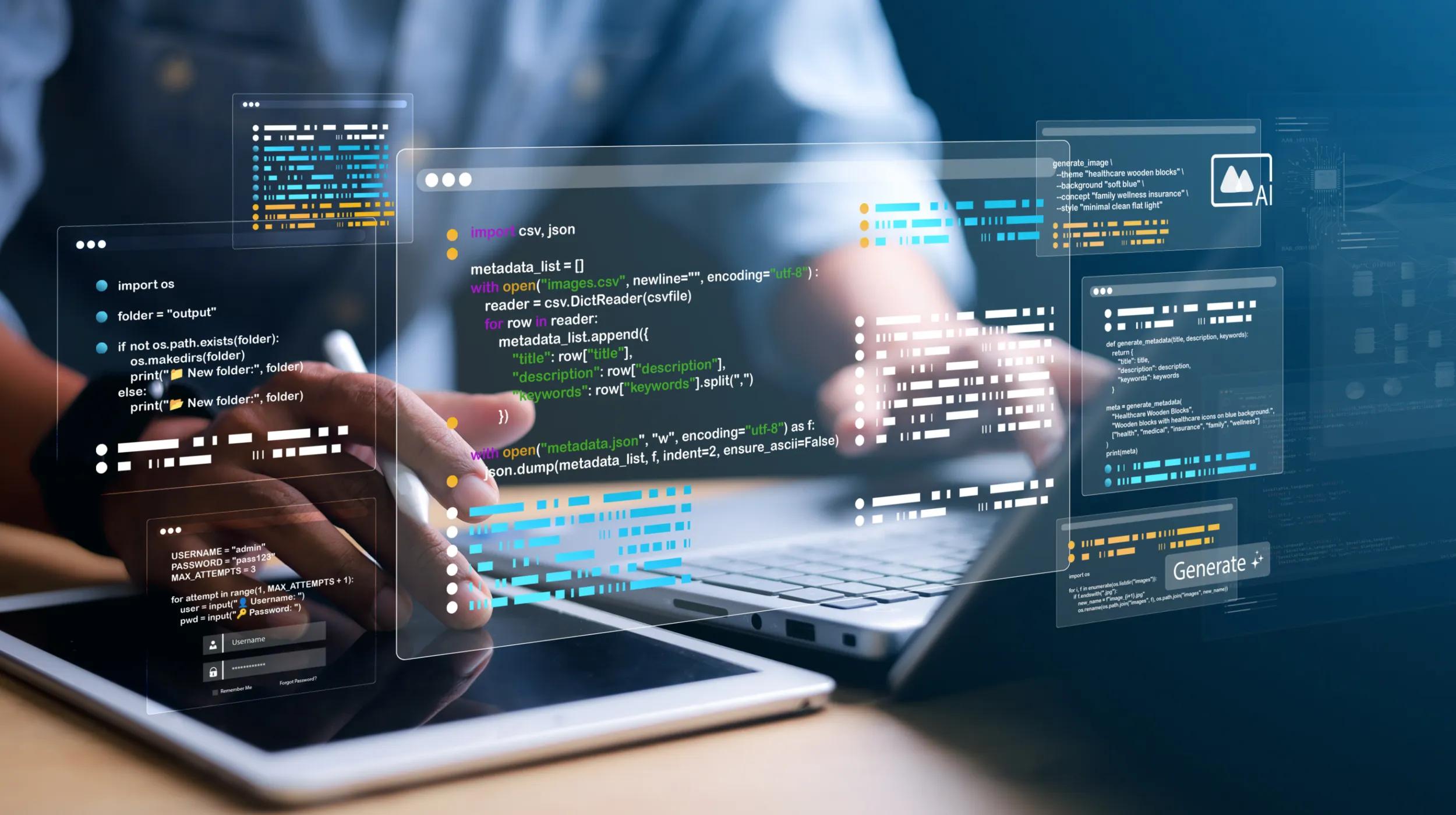
Modern AI requires infrastructure that is designed for real demands
The choice of the language model isn’t enough to produce intelligent software. Performance is also dependent on the architecture. Runtime efficiency, ability to observe, deployment flexibility, security and scalability affect whether an AI application is successful in the production environment.
The growing complexity of AI agents has led to the need for strong AI agent infrastructure that is able to support autonomous workflows and intelligent decision-making. A lot of organizations choose to utilize specific infrastructure designed to meet their specific operational requirements, rather than general platforms.
Thyn was founded on this premise. Thyn does not offer an individual AI app, but instead develops runtime engines to support various specialized solutions, while allowing the engines to evolve on their own. This approach allows engineers to focus on solving business challenges instead of re-building the basic infrastructure.
Better tools help developers build better systems
Developers need more than APIs because AI is embedded in software products. They need environments that make it easier for deployments, debuggings and monitoring running time management, testing and debugging.
Modern AI tools for developers are focused on transparency and control more than ever. Developers are keen to gauge latency, optimize the use of resources and know how the machines perform under intense workloads.
Thyn invests heavily in these engineering foundations, focusing on measurable performance of the system than marketing claims. Research into runtime is regarded as a core engineering discipline that will enhance all products in the system.
Specialized intelligence can perform better than the standard one-size-fits-all platforms.
Not every AI workload operates in the same way under the same conditions. Financial trading, embedded software, cryptographic applications and autonomous systems have their own specifications for performance and security.
Thyn creates engines tailored to specific domains, rather than forcing every application to use the same system. The products can evolve independently, while still gaining the benefits of architectural research.
The same principle is beginning to influence AI coding agents. Coding assistants of the present are more targeted and less general. They help developers automatize repetitive tasks, create codes, and study repositories.
Insights that are more accurate in determining where decisions are taken
Artificial intelligence’s future is moving beyond simply generating information. Successful systems are increasingly capable of reasoning, evaluating contexts, take decisions and carry out actions in a timely manner.
Local intelligence may provide substantial advantages for products that require flexibility, privacy as well as reliability. On-device AI minimizes the dependence of networks and delays, allowing applications keep running even when connectivity is limited. The result is better user experience, and organizations are able to better manage their data and infrastructure.
While at the same time an scalable AI agent infrastructures ensure that intelligent systems remain observable to be maintained and able to adapt when requirements change.
Thyn is a new company that represents this direction, focusing on the institution behind intelligent software instead just focusing on software. Through the use of advanced runtime technology special engines, powerful AI tools for developers, and modern AI programming agents Thyn has helped shape an ecosystem where AI is faster, more secure, more private and ultimately more efficient to developers who are building the next generation of intelligent products.