Park district approves the funding of a new public bathroom. The building is in an ideal location, and the team is set for the next step.
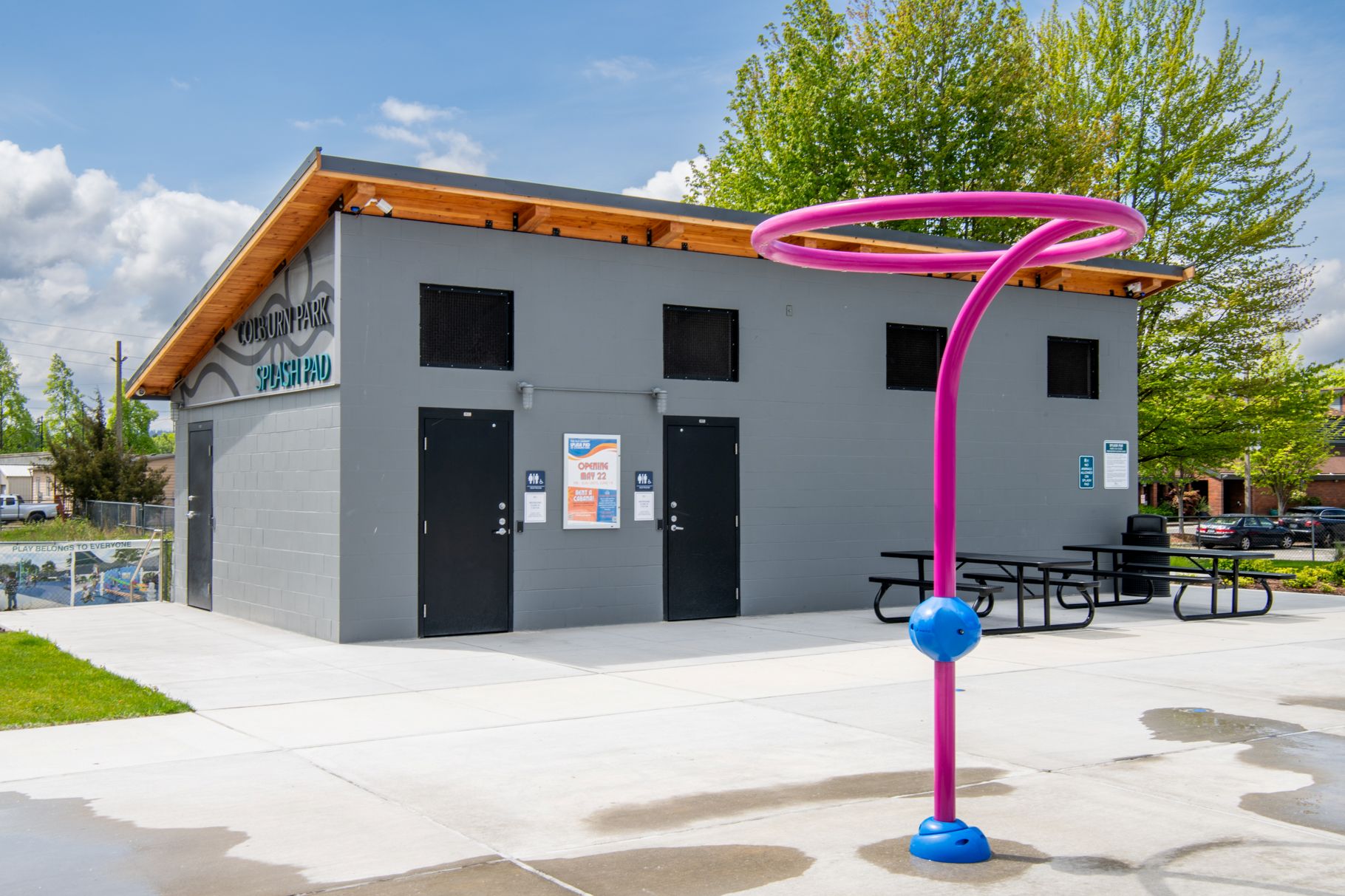
Image credit: romtec.com
The contractor then begins to review the site. The proposed location has issues with drainage. Utility connections are further away than what was expected. The delivery vehicle could struggle to get into installation areas and the building layouts might not match the available space.
None of these issues necessarily suggests that the project will not proceed. These issues can result in redesigns and extra costs, as well as delays in construction. For public entities and developers, a restroom project becomes more manageable when factors affecting the location influence the building decision-making process from the beginning.
A drawing of a building doesn’t tell the whole story
Before selecting prefabricated park restroom buildings, project teams should understand what the surrounding property can accommodate. Installation can be affected by the location’s slope or drainage, the utility, and accessibility for construction.
If a bathroom will be built close to a play area It may be necessary to connect the bathroom to existing water and sewer infrastructure. If the current infrastructure isn’t available, or it would be expensive to expand those connections, then a different sanitation procedure could be required.
The building’s foundation and placement must also account for the applicable codes, accessibility requirements and site-specific requirements. The layout standard for an building might appear to appear to be acceptable on paper, but it’s likely to require substantial changes when taking these specifics into consideration.
Urban Projects are subject to their own restrictions in terms of construction
Installing sidewalk restrooms involves more than just finding the space to build a small structure. The sidewalks that are public usually have underground utilities and pedestrian routes, street furniture and building entrances that are near. Construction projects may also require collaboration with local authorities.
The positioning of a bathroom too close to the utility corridor can complicate foundation or excavation work. Accessibility is another factor to consider. Access to the entrance and its surroundings should be designed in accordance with the requirements of the time.
Romtec offers customizable ADA single-user toilets with options for the placement of sinks and doors. The design options allow the project team to work with the constraints of the location and design for an efficient public use.
No Sewer Connection? No sewer connection? Consider alternatives
Remote recreation sites have different infrastructure problems. The nearest sewer connection may be miles away, so flush toilets are not practical.
Vault toilets are an alternative to waterless toilets in certain areas. These toilets don’t use the sewer to transfer wastewater, but instead collect the water in a tank which needs to be regularly maintained.
The option of a vault toilet does not eliminate the need for plan of site. The project will still require suitable ground conditions and safe access to servicing equipment, in addition to adequate ventilation.
Romtec designs vault toilets that are water-free and feature its Sweet-Smelling Technology (SST) It is intended to help manage the odors by allowing ventilation. Selecting the sanitation system ahead of time can help prevent expensive changes to the layout of the building later.
Construction coordination begins before delivery
The most commonly held belief about prefabricated construction is that most construction decisions are already made by the company that manufactured it. In reality, coordination is still needed for site preparation, utility connections access, local approvals and accessibility. Romtec approaches these projects through custom-designed building kits and design support rather than relying on rigid, universally-sized structures.
The company works closely with landscape builders and architects to ensure that specifications for construction meet site-specific specifications. This is especially useful when a bathroom has to match an existing architectural style or be able to accommodate specific property conditions.
The best questions are ones that can lead to more effective projects
Owners should decide on how utilities will be brought to the structure, which construction equipment will be able to access the site and what approvals must be obtained prior to approving the purchase of restrooms.
They must also be aware of whether the sanitation system they choose to install is suited to the expected quantity of guests, and if the structure can be constructed without a major overhaul of the surrounding infrastructure.
The above questions might not seem as important than choosing exterior finishes or architectural features yet they can have greater influence on project cost and schedule.
Public restrooms that have been successful don’t just complete the project on time. The building, the site infrastructure, the construction process, and its intended usage are all considered. The earlier decisions will guarantee that the final restroom is capable of serving the community more effectively.