Most people don’t think much about employment law when the job is going smoothly. They do their job and get paid, take their vacations, attend the odd annoying meeting, and then get on with their lives.
Whenever the normal rhythm of work is disturbed, it tends to bring up legal questions. The promise of a promotion is gone. The behavior of a manager becomes uncomfortable. A manager’s behavior gets increasingly uncomfortable. The situation is likely to worsen after you make a complaint to HR. Or a long career suddenly comes to an end with a termination notice. It’s often a surprise to employees at how fast workplace problems can intersect.
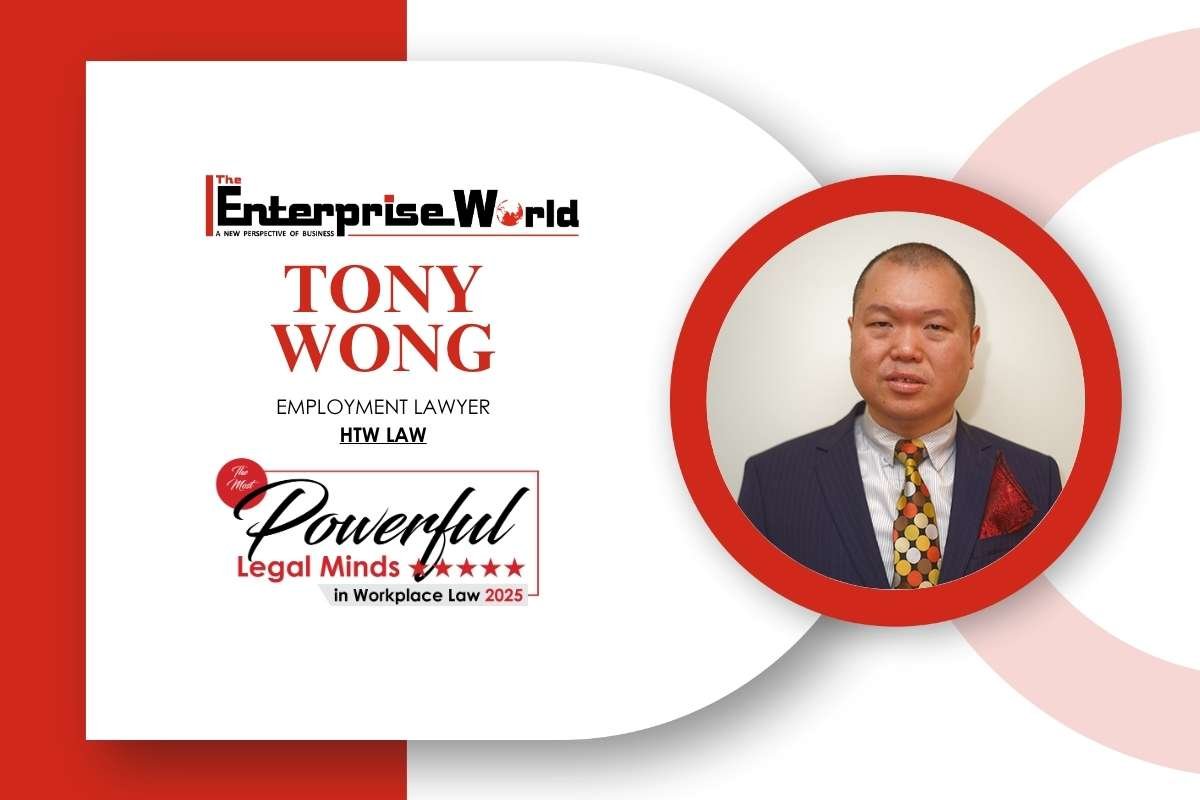
If an Workplace Disput Doesn’t Have an easy name
Imagine an employee who has been with the same employer for 7 years. The employee who raised concerns over inappropriate comments made by a manager notices a difference after bringing the matter to the manager’s attention. Meetings are held without supervision. Important assignments are lost.
Does it involve discrimination, harassment, retaliation or dismissal? It is possible that several legal matters might be relevant. If someone is suffering from workplace harassment, Toronto shouldn’t assume that events that occur following a complaint are not related. The sequence of events as well as the specifics of what happened could be crucial when determining the legal options might be available.
It is possible to change jobs without having to stop the work.
Even if an employer does not state “You have been fired” an astronomical reduction in salary, a significant modification to the description of work, or a massive shift in the duties of employees may leave the employee wondering if they have been replaced by some other person.
It could raise questions regarding constructive dismissal Ontario law. Constructive termination is based on specific facts. Certain difficult assignments, organizational changes, or managerial decision-making meet the criteria for. If a person is considering resigning because of a major work-related change, they must be cautious about thinking that they are the only ones to know.
If you are fired there are a variety of questions that come up
When employment actually ends the focus is usually immediately to financial. The query “How much should I get for the event of severance?” may sound straightforward, but the answer may not be universally applicable. Employment contracts, applicable legislation as well as length of service compensation, and many other aspects could affect an employee’s rights.
Someone searching for a severance pay lawyer near me may gain from having the whole finalization package reviewed instead of simply focusing on the length of weeks that are offered.
Likewise, wrongful dismissal Ontario doesn’t simply mean an employee believes the termination was unfair. Legal review may include checking whether the employee received enough notice or compensation and what impact the employment contract can have on these obligations.
Some Employees Fall Under an entirely different legal framework
The type of employer is another aspect that’s easy to overlook. Ontario’s law on employment is the primary source of regulations for a lot of employees. Certain industries are regulated by the federal government. Federal law may apply to workers in certain industries such as banking or telecommunications.
Unionized employees may be confronted with issues relating to human rights, the duty of fairness, as well as representation. It is crucial to understand an employment dispute by determining the applicable legal framework.
The entire relationship is at the center of employment law
HTW Law has been serving the Greater Toronto Area for over 20 years and has handled employment-related issues in Ontario. The practice of HTW Law includes constructive and wrongful dismissal of employees, severance from employment, workplace harassment as well as discrimination, sexual harassment, reprisal, disability discrimination, HRTO and OLRB matters and related human rights concerns. The firm is also able to assist with matters involving employees who are federally-regulated across Canada.
The workplace disputes are not often neat enough to fit under one heading. A disagreement that starts out as a disagreement about work conditions could turn into a harassment complaint and a change in the employment, and ultimately termination.
Understanding how these events relate could be as crucial as knowing what took place on the day of the employee’s departure.